June 14, 2026
Energy efficiency has become a major priority for homeowners looking to improve indoor comfort and reduce utility costs throughout the year. Windows play a significant role in regulating indoor temperatures, but without the right coverings, they can also contribute to heat loss during winter and excessive heat gain during summer. Choosing the right window treatments can help create a more comfortable living environment while improving energy performance across the home.
Modern window treatments are designed to offer much more than visual appeal. Many options now provide insulation, light control, UV protection, and improved privacy while complementing a wide variety of interior design styles. By understanding how different window coverings function, homeowners can make informed decisions that balance efficiency, comfort, and appearance.
1. Blinds Offer Adjustable Light and Temperature Control
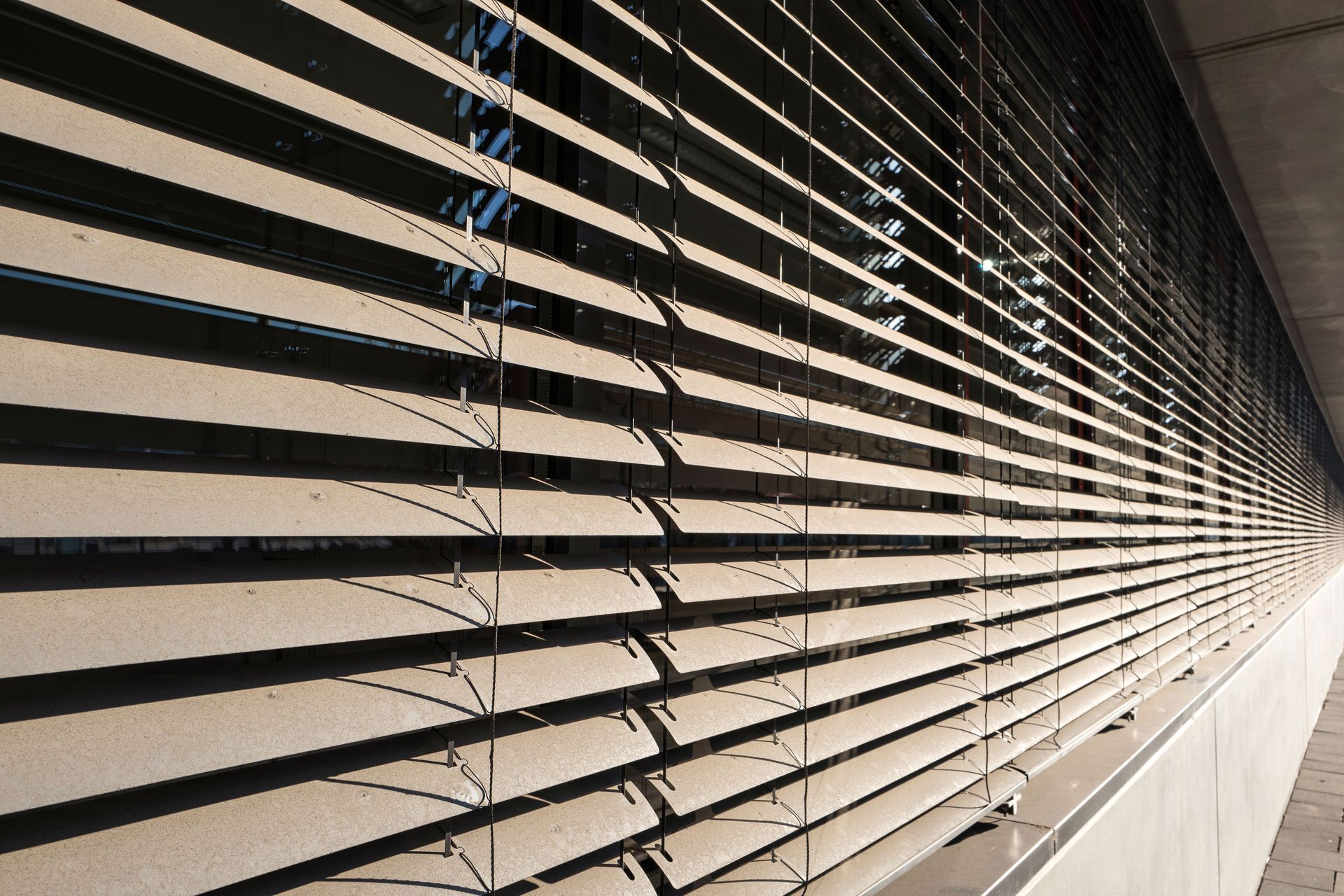
Blinds remain one of the most versatile and widely used window treatment options available today. The adjustable slats allow homeowners to control both natural light and airflow while helping regulate indoor temperatures. By tilting or closing the slats throughout the day, blinds can reduce solar heat gain during warmer months and help retain warmth during colder seasons.
Blinds are available in a range of materials, including wood, faux wood, vinyl, and aluminum. Each material offers varying levels of insulation and durability depending on the room and climate conditions. Faux wood blinds are especially popular because they resist moisture while still providing strong insulating properties. In addition to energy efficiency, blinds offer a clean and timeless appearance that works well in both traditional and modern homes.
One of the key advantages of blinds is their flexibility. Homeowners can adjust them throughout the day to maximize sunlight during winter while reducing glare and heat during summer afternoons. This adaptability makes blinds an effective solution for improving indoor comfort without sacrificing natural light.
2. Shades Provide Excellent Insulating Performance
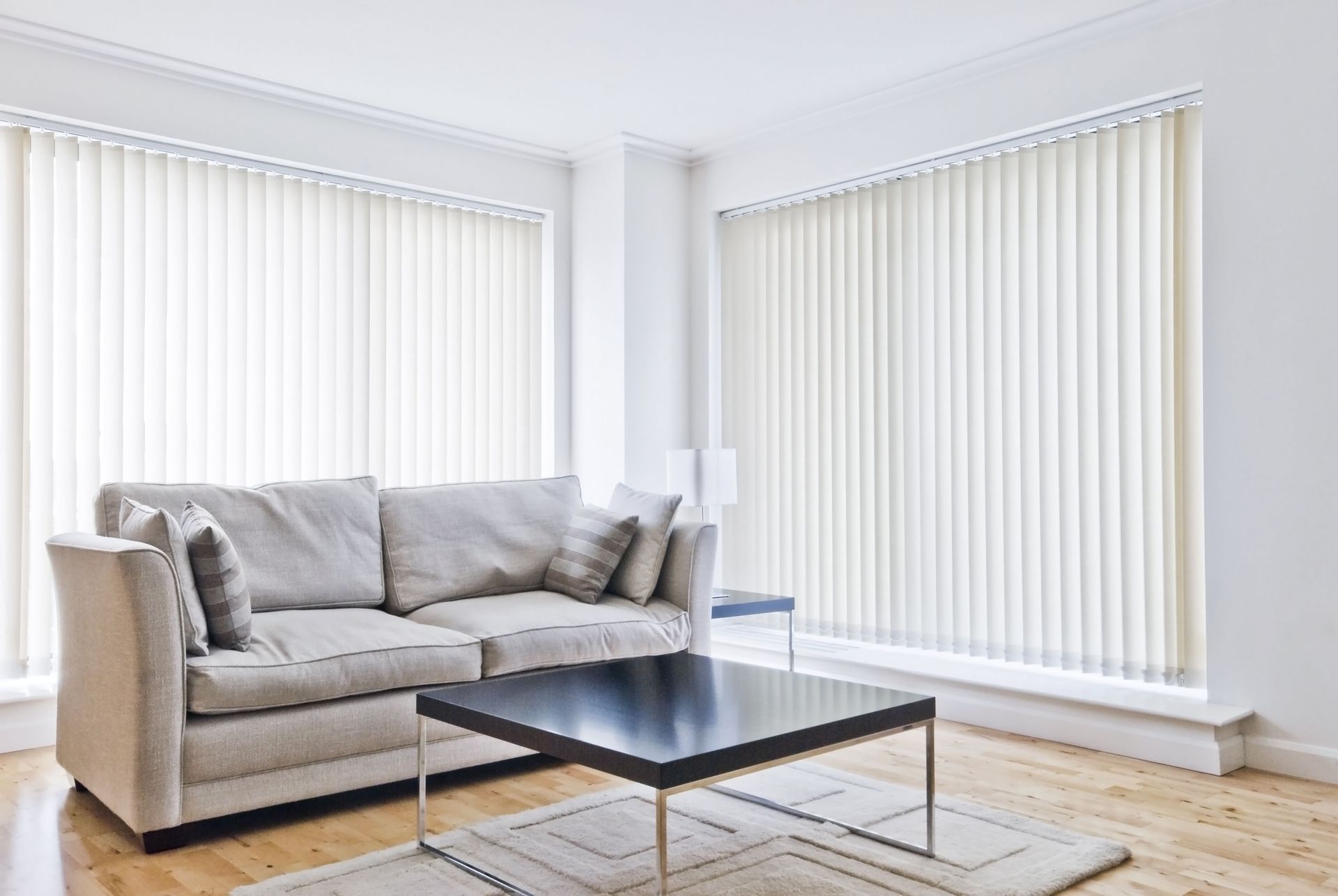
Shades are often considered one of the most effective window treatments for insulation because of their ability to create a barrier between the window and the interior living space. Unlike blinds with adjustable slats, shades are typically made from continuous fabric materials that help reduce drafts and minimize heat transfer.
Cellular shades, also known as honeycomb shades, are especially recognized for their insulating capabilities. Their unique pocketed structure traps air within the cells, helping improve energy efficiency by reducing heat loss during winter and limiting heat gain during summer. This added insulation can contribute to more stable indoor temperatures and lower energy consumption over time.
Shades are also available in a wide variety of colors, textures, opacity levels, and operating systems. Homeowners can choose light-filtering shades for softer natural light or blackout options for enhanced privacy and room darkening. Their versatility makes shades suitable for bedrooms, living rooms, offices, and media spaces alike.
In addition to insulation, shades help reduce glare and protect furniture, flooring, and décor from prolonged UV exposure. This combination of comfort, efficiency, and protection continues to make shades one of the most popular window treatment choices for modern households.
3. Shutters Combine Durability With Energy Efficiency
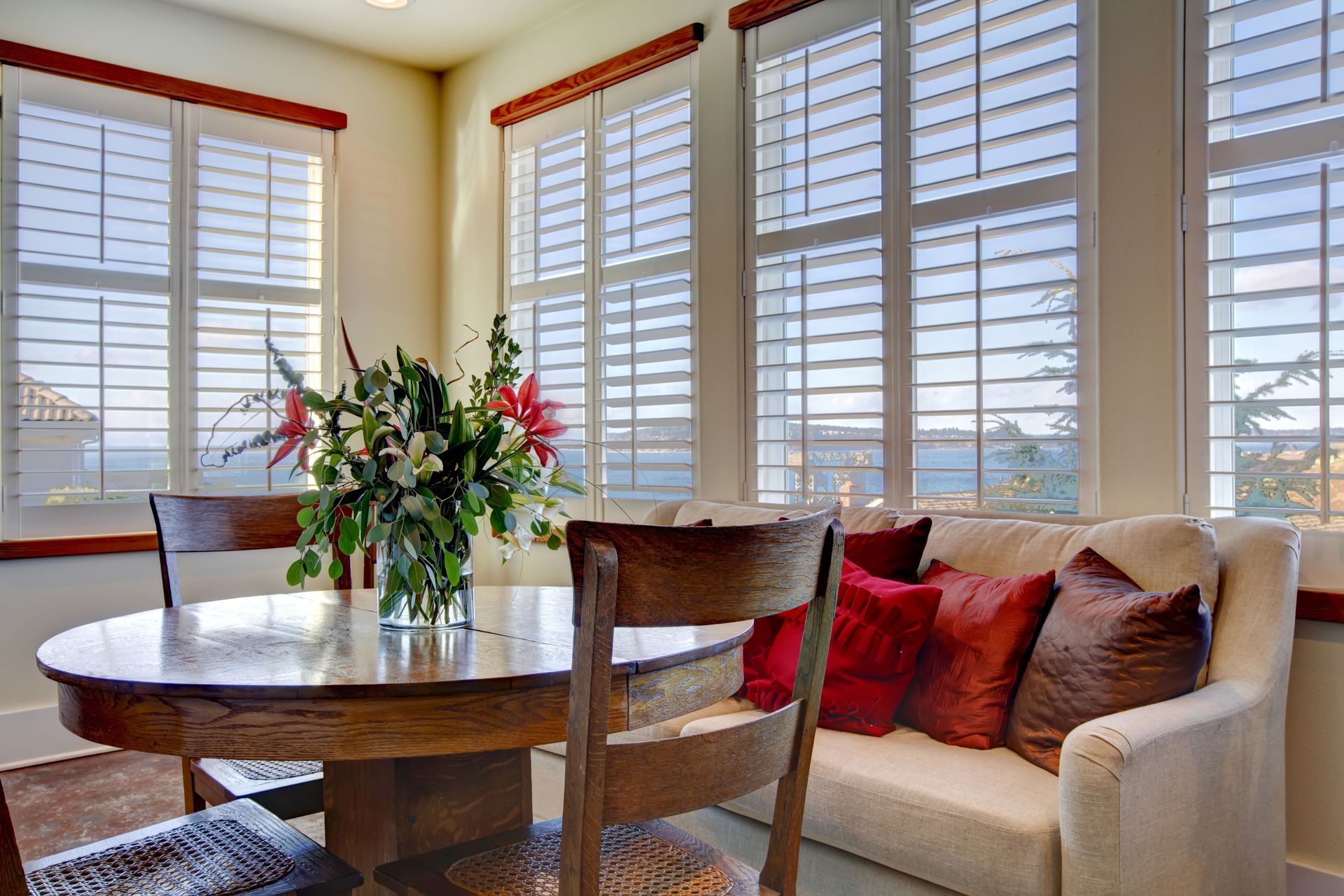
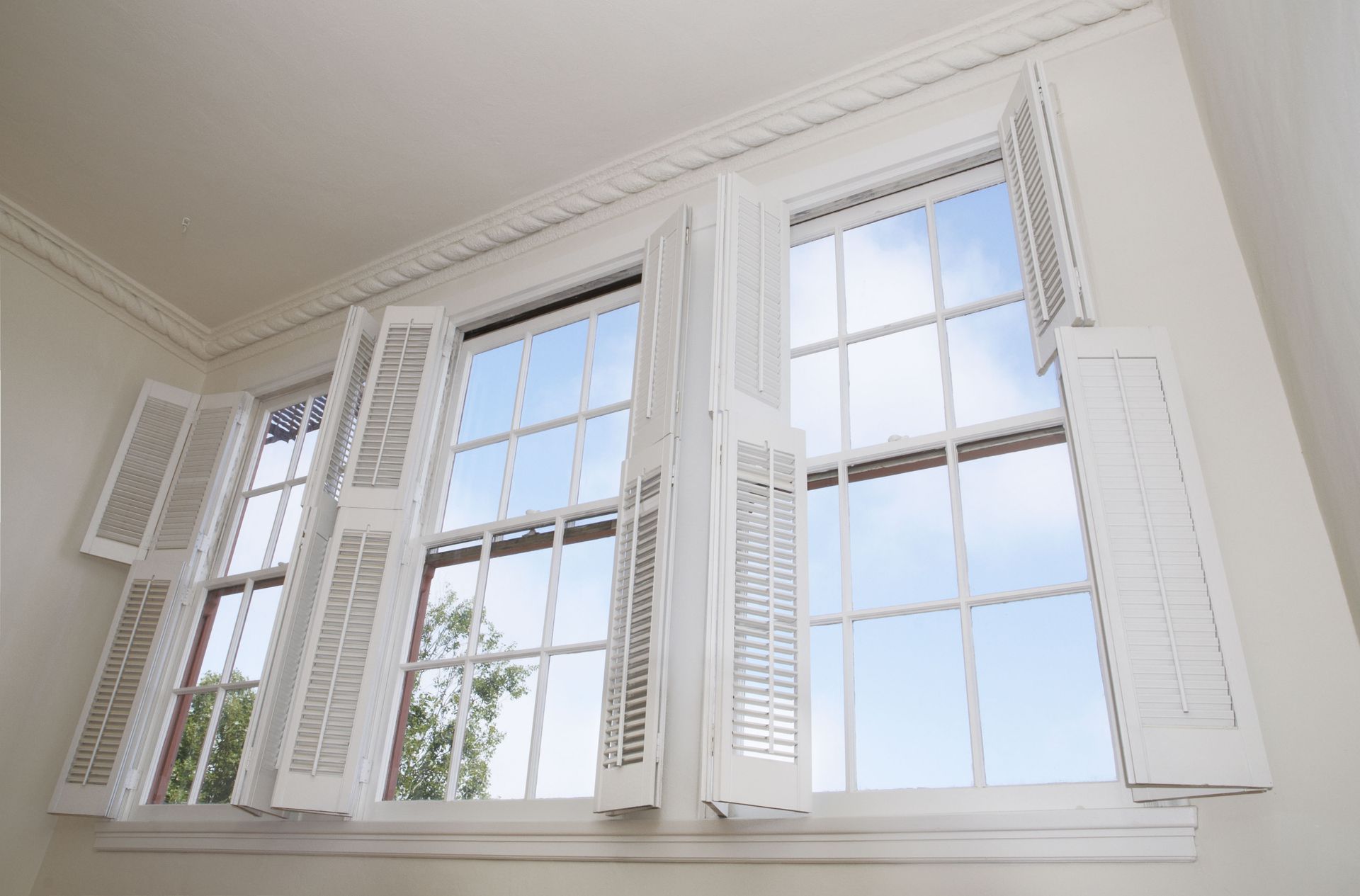
Shutters are known for their timeless elegance, durability, and strong insulating qualities. Installed directly within or around the window frame, shutters create an additional layer of protection against outdoor temperatures while offering excellent light and privacy control.
Interior shutters are commonly made from wood, composite materials, or vinyl. Their solid construction helps reduce drafts and improve overall thermal performance within the home. When fully closed, shutters form a tight barrier that limits heat transfer through windows, helping maintain more comfortable indoor temperatures throughout the year.
Many homeowners appreciate shutters because they combine functionality with long-term value. Unlike some temporary window coverings, shutters are often considered permanent architectural features that can enhance both interior aesthetics and resale appeal. Their clean lines and customizable designs allow them to complement a wide range of home styles, from traditional to contemporary.
Shutters are also highly durable and relatively low maintenance. Quality shutters can withstand years of daily use while maintaining their appearance and insulating performance. This longevity makes them an attractive option for homeowners seeking both energy efficiency and lasting visual appeal.
4. Sheers Help Manage Light While Supporting Comfort
Sheers offer a softer and more decorative approach to window insulation while still contributing to indoor comfort and light management. Made from lightweight translucent fabrics, sheers gently diffuse sunlight entering the room, helping reduce glare and moderate solar heat gain without completely blocking natural light.
Although sheers may not provide the same level of insulation as cellular shades or shutters, they can still support energy efficiency when layered with additional window treatments. Many homeowners pair sheers with heavier drapery panels, blinds, or shades to create a combination that balances softness, privacy, and insulation.
One of the primary benefits of sheers is their ability to create bright, inviting interiors while minimizing harsh sunlight exposure. This makes them especially popular in living rooms, dining rooms, and spaces where maintaining natural light is important. Sheers also help reduce UV exposure, which can protect furniture and interior finishes from fading over time.
The elegant appearance of sheer fabrics adds warmth and texture to interior spaces while contributing to a more comfortable indoor environment. Their versatility allows homeowners to create layered window designs that improve both style and functionality.
5. Exterior Solar Control Improves Energy Efficiency
Exterior solar control systems are designed to reduce heat transfer before sunlight even reaches the glass surface of the window. These treatments are installed outside the home and help block solar radiation, reduce glare, and improve indoor temperature regulation during warmer months.
Exterior solar control solutions may include solar screens, exterior shades, or specialized protective systems designed to reflect sunlight and reduce heat buildup. Because they intercept sunlight before it enters the home, these systems are often highly effective at lowering cooling demands during hot weather.
According to Future Market Insights, 74% of a global survey's respondents said they favor window treatments that offer insulation and block UV rays. This growing demand reflects homeowners’ increasing interest in solutions that improve comfort while also enhancing energy efficiency and protecting interior furnishings.
Exterior solar control systems are especially valuable for homes with large windows, sunrooms, or west-facing exposures that receive prolonged direct sunlight throughout the day. By minimizing heat gain before it reaches the interior, these treatments help reduce strain on cooling systems and improve overall comfort during warmer seasons.
Choosing the Right Window Treatment for Each Room
Different rooms often require different insulation and lighting solutions depending on their function and sun exposure. Bedrooms may benefit from insulating shades or shutters that improve privacy and room darkening, while living rooms may prioritize natural light and layered treatments such as sheers combined with blinds.
Kitchens and bathrooms may require moisture-resistant materials capable of withstanding humidity and temperature fluctuations. Faux wood blinds and composite shutters are often popular choices in these spaces because of their durability and ease of maintenance. Selecting the right treatment for each room helps maximize both comfort and long-term performance throughout the home.
Energy Savings and Long-Term Value
Investing in quality window treatments can contribute to long-term energy savings by improving insulation and reducing heating and cooling demands. Windows are one of the primary areas where heat transfer occurs within a home, making effective coverings an important part of overall energy efficiency.
While some window treatments may involve higher upfront costs, many homeowners find that the improved comfort, reduced utility bills, and added property appeal justify the investment over time. Durable materials and professional installation can also extend the lifespan and effectiveness of the treatments significantly.
Window treatments play a major role in improving indoor comfort, energy efficiency, and overall home aesthetics. By carefully selecting window treatments based on room function, climate conditions, and design preferences, homeowners can create more comfortable living spaces while also reducing energy costs. Contact our team at The Blind Guy Of Portland today!